

Grading Cards in Italy: The Definitive 2026 Guide
"I'd like to grade my cards, but I don't know where to start." It's the sentence we hear most often in the shop — and it makes sense: grading from Italy means sending valuable objects to foreign labs, crossing customs, choosing between companies and not getting a single form wrong. This is the guide that lines everything up: the two possible roads, the real logistics, the mistakes that cost money and the step-by-step path — from your first card to an important collection.
Key Takeaways
Question |
Quick Answer |
|---|---|
Can you grade from Italy? |
Yes, two ways: submitting directly to the grading companies or relying on a service that manages the whole process — PSA, Beckett/BGS and GRAAD are all reachable. |
What's the difference between the two roads? |
DIY leaves shipping, forms, customs and risks to you; a managed service concentrates everything into a single delivery in Italy, with professionals following the process. |
How much does grading a card cost? |
It depends on company, service level and declared value — plus insurance and return. The exact quote is calculated in real time on the form. |
Which cards are worth grading? |
Those where certification adds more value than its cost: modern chases in excellent condition, important vintage, pieces to sell or preserve. |
What's the most common mistake? |
Sending cards "blind" without assessing the expected grade: a pre-grading analysis avoids paying for certifications that disappoint. |
1. Grading From Italy in 2026: The Picture
Ten years ago grading from Italy was an adventure for the few; today it's a mature practice, with three reachable companies — PSA, Beckett/BGS and GRAAD — and a booming Italian graded-card market. What hasn't changed is the nature of the problem: your cards must travel to foreign labs and come back, crossing international shipping, possible customs and months of waiting, without losing value or traceability.
It's a logistics problem before a collecting one — and exactly why two very different roads exist to tackle it.
2. The Two Roads: Direct Submission or Managed Service
The first road is DIY: open an account with the grading company, fill in the submission, ship abroad in your own name and handle customs, insurance and follow-up yourself. Pros: total control. Cons: every mistake — a wrong form, an underinsured shipment, a missing customs document — is on you, and on a first submission mistakes are the norm, not the exception.
The second is the managed service: you hand your cards to a professional intermediary in Italy — we do it from our Scandicci store or via insured shipping — and the whole process travels inside aggregated submissions, with forms, international shipping and lab relations handled by people who do it every week. It's the road we recommend to anyone without direct experience: the service cost pays for itself in avoided mistakes.
3. The Logistics Nobody Talks About
Three chapters DIY discovers at its own expense. Shipping: valuable cards travel only with tracked, insured couriers — and insurance must be declared correctly, because an underestimated policy is waste paper exactly when you need it. Customs: extra-EU submissions involve customs procedures outbound and inbound, with times and costs to plan for, not discover. Timelines: between travel, lab queue and return, a standard submission is measured in months — anyone promising speed miracles is selling something.
In our service these three chapters are included in the process: insurance calculated on declared value (mandatory for Beckett/BGS, optional for PSA and GRAAD), documentation handled and end-to-end traceability — with the printable quote copy traveling with the package.
Did You Know?
For Beckett/BGS submissions, outbound shipping insurance is mandatory — not an optional. It's one of the operational differences between companies that first-time graders discover only when filling the form: the real-time quote calculates it automatically, card by card.
4. Choosing the Company: The Summary
The choice between PSA, Beckett/BGS and GRAAD depends on card and goal — the theme of our full comparison, the PSA vs BGS vs GRAAD guide. The operational summary: PSA for liquidity and international resale, BGS for subgrades and the Black Label hunt, GRAAD for European excellence with accessible entry costs — and PSA Dual Grading as the standard for autographed cards.
The advantage of a multi-company service is exactly here: within the same request, each card can go to the most suitable company — the vintage to PSA, the perfect-10 candidate to BGS, the mid-range to GRAAD — without opening three separate processes.
5. Preparing Cards: Where the Grade Is Won (or Lost)
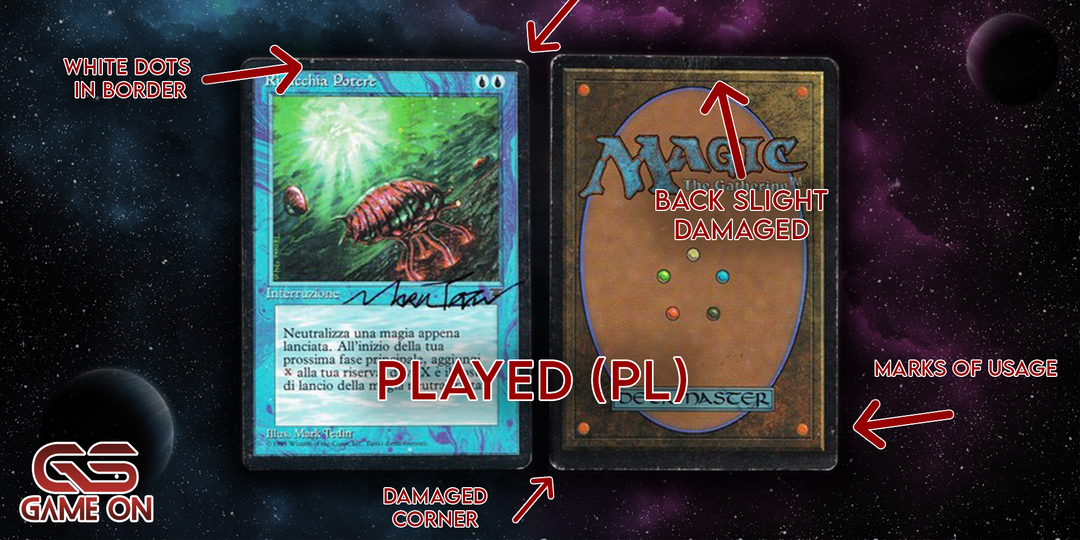
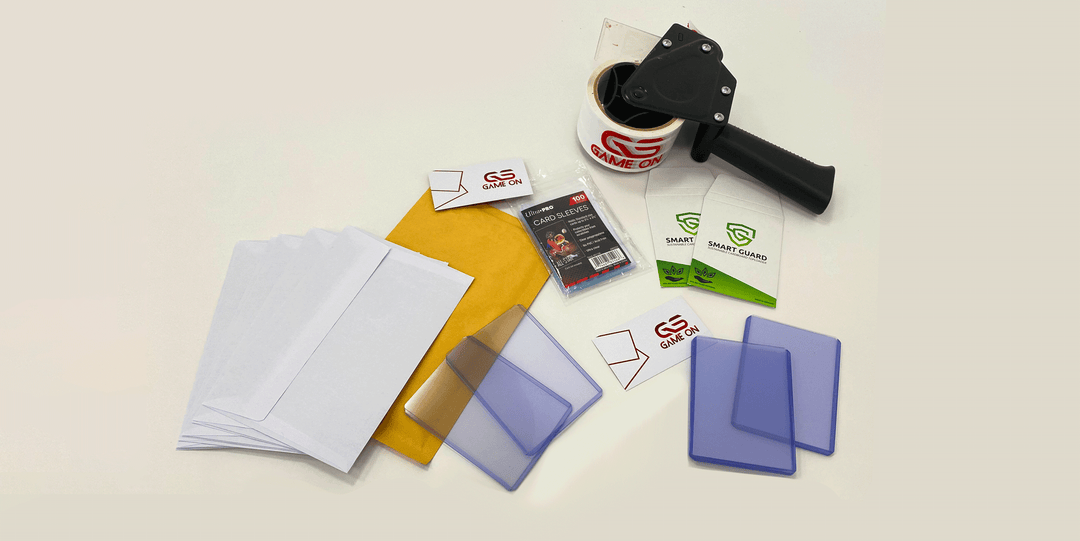
The grade is decided before shipping. Handle as little as possible and always with clean surfaces; protect every card in a sleeve and semi-rigid from the start; honestly assess condition before paying for certification — that's the role of the pre-grading analysis, the microscope exam that tells you what grade to expect using the companies' criteria. And for recoverable surface flaws — fingerprints, residues — conservative restoration can be worth a grade point.
The costliest mistake remains sending cards blind: a submission is an investment, and you invest in what you've examined. The criteria for deciding what to grade are in the complete grading guide.
6. What It Costs: How the Price Is Built
The cost of a submission from Italy is always built from the same bricks: the company's rate (by company, Base or Express level and the card's declared value), outbound insurance, the insured return (or free in-store pickup) and any preparatory services. Price lists change over time — it's the sector's nature — so the only figure that counts is the real-time quote, calculated card by card as you fill in the request.
The economic rule never changes: certification must be worth more than its cost. If the math doesn't work on a card, that card stays raw — a mature collector's decision, not a defeat.
7. The Step-by-Step Path (With Us)
One: fill in the online form entering cards one by one — company, service and declared value for each, with the quote updating in real time. Two: deliver to our Scandicci store or ship insured. Three: we handle the whole process — international shipping, customs, lab follow-up. Four: pick up your graded cards in store or receive them at home by insured courier.
For collections above €10,000 in declared value, our dedicated White Gloves management kicks in; and if you first want to understand what you own, the professional valuation is the starting point. You can see the end result in our graded cards selection: it's the same care we apply to yours.
Conclusion
Grading cards from Italy in 2026 is no longer an expedition: it's a path with clear rules — two roads, three companies, logistics to respect and an economy to balance card by card. You now have the complete map: what to assess first, how to choose the company, where costs and mistakes hide, and how to reach the slab with no surprises.
At GS Gameon we grade every week for collectors across Europe: PSA, BGS and GRAAD submissions managed entirely from Italy, microscope pre-grading analysis and honest advice even when the answer is "this one isn't worth grading". Your first submission starts simpler than you think.
Note: grading companies' price lists, timelines and conditions change over time; the valid quote is always the one calculated by the form at request date. This article is informational.


Leave a comment